As men grow older, changes in the body are natural. One of the most common age-related conditions affecting men is an enlarged prostate, medically known as Benign Prostatic Hyperplasia (BPH). While the condition is not cancerous, it can significantly affect quality of life by causing bothersome urinary symptoms.
Many men dismiss frequent urination, difficulty passing urine, or waking up several times at night as a normal part of aging. However, these symptoms may indicate an enlarged prostate and should not be ignored.
Understanding BPH, its symptoms, causes, and available treatment options can help men seek timely care and avoid potential complications.
What is the Prostate Gland?
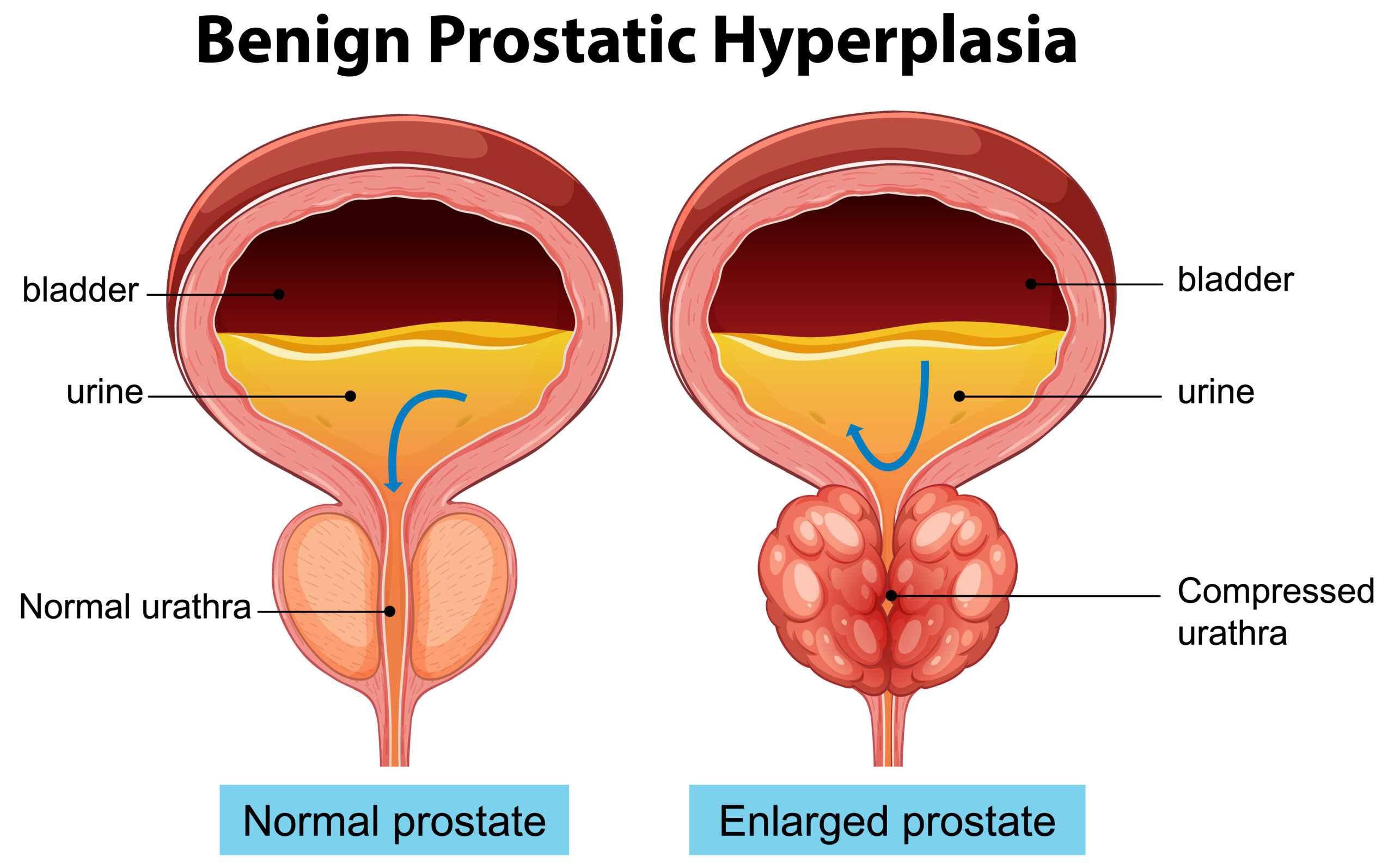
The prostate is a small gland found only in men. It is located just below the bladder and surrounds the urethra, the tube that carries urine from the bladder out of the body.
The primary function of the prostate is to produce fluid that nourishes and transports sperm.
In younger men, the prostate is about the size of a walnut. As men age, the gland often begins to grow larger.
What is Benign Prostatic Hyperplasia (BPH)?
Benign Prostatic Hyperplasia, or BPH, refers to the non-cancerous enlargement of the prostate gland.
As the prostate enlarges, it can press against the urethra and interfere with the normal flow of urine. This pressure can lead to a variety of urinary symptoms that may gradually worsen over time.
BPH is one of the most common urological conditions in men over the age of 50.
What Causes an Enlarged Prostate?
The exact cause of BPH is not fully understood, but age-related hormonal changes are believed to play a major role.
Factors that may increase the risk include:
- Increasing age
- Family history of prostate enlargement
- Obesity
- Diabetes
- Heart disease
- Lack of physical activity
- Hormonal changes associated with aging
While BPH becomes more common with age, not every man develops bothersome symptoms.
Common Symptoms of an Enlarged Prostate
Symptoms usually develop gradually and may vary from person to person.
Common symptoms include:
- Frequent urination
- Urgent need to urinate
- Difficulty starting urination
- Weak urine stream
- Interrupted urine flow
- Straining while urinating
- Feeling that the bladder is not completely empty
- Dribbling at the end of urination
- Waking up multiple times at night to urinate (Nocturia)
In severe cases, men may experience complete urinary retention, which requires immediate medical attention.
When Should You See a Urologist?
Many men tolerate urinary symptoms for years before seeking medical advice. However, early evaluation is important.
Consult a urologist if you experience:
- Persistent urinary difficulties
- Frequent nighttime urination
- Blood in urine
- Pain during urination
- Recurrent urinary tract infections
- Sudden inability to pass urine
Prompt diagnosis can help prevent complications and improve quality of life.
How is BPH Diagnosed?
A urologist will evaluate your symptoms and may recommend several tests.
Medical History and Physical Examination
Your doctor will discuss your symptoms, medical history, and medications.
Digital Rectal Examination (DRE)
This simple examination helps assess the size and condition of the prostate gland.
Urine Tests
Urine analysis helps rule out infection or other urinary conditions.
Blood Tests
A PSA (Prostate-Specific Antigen) test may be recommended to evaluate prostate health.
Ultrasound
Ultrasound imaging helps determine prostate size and assess bladder function.
Uroflowmetry
This test measures the speed and strength of urine flow.
Post-Void Residual Urine Measurement
This evaluates how much urine remains in the bladder after urination.
Treatment Options for Enlarged Prostate
Treatment depends on symptom severity, prostate size, overall health, and patient preferences.
Lifestyle Modifications
Mild symptoms may improve with simple lifestyle changes:
- Limiting fluids before bedtime
- Reducing caffeine and alcohol intake
- Maintaining a healthy weight
- Regular physical activity
- Avoiding medications that worsen urinary symptoms
Medications
Several medications can help relieve symptoms.
Alpha Blockers
These medications relax the muscles around the prostate and bladder neck, improving urine flow.
5-Alpha Reductase Inhibitors
These medications help shrink the prostate over time by affecting hormone levels.
Some patients may benefit from a combination of both medication types.
Minimally Invasive Treatments
When medications do not provide adequate relief, minimally invasive procedures may be considered.
These treatments aim to reduce prostate tissue while minimizing recovery time.
Surgical Treatment
For severe symptoms or complications, surgery may be recommended.
Common procedures include:
- TURP (Transurethral Resection of the Prostate)
- Laser prostate surgery
- HoLEP (Holmium Laser Enucleation of the Prostate)
- Other advanced endoscopic procedures
The choice of procedure depends on prostate size, patient health, and surgeon expertise.
What Happens if BPH is Left Untreated?
Ignoring symptoms can lead to complications such as:
- Urinary retention
- Recurrent urinary tract infections
- Bladder stones
- Kidney damage
- Bladder dysfunction
Timely treatment helps reduce these risks and improves urinary function.
Can Enlarged Prostate Be Prevented?
There is no guaranteed way to prevent BPH, but healthy lifestyle habits may help maintain urinary health.
Recommendations include:
- Staying physically active
- Maintaining a healthy weight
- Eating a balanced diet rich in fruits and vegetables
- Managing diabetes and blood pressure
- Scheduling regular health check-ups
Frequently Asked Questions
Is BPH the same as prostate cancer?
No. BPH is a non-cancerous enlargement of the prostate gland. However, both conditions can coexist, which is why proper evaluation is important.
Does every enlarged prostate require surgery?
No. Many men manage symptoms successfully with lifestyle changes or medications. Surgery is usually reserved for more severe cases.
Is frequent nighttime urination always caused by BPH?
Not necessarily. Other conditions such as diabetes, bladder disorders, and infections can also cause similar symptoms.
Conclusion
An enlarged prostate is a common condition that affects many men as they age. Although it is not cancerous, it can significantly impact daily life and sleep quality if left untreated.
The good news is that effective treatments are available, ranging from lifestyle changes and medications to advanced minimally invasive procedures and surgery. Seeking medical advice early can help manage symptoms, prevent complications, and improve overall quality of life.
If you are experiencing urinary symptoms, consult a qualified urologist for a comprehensive evaluation and personalized treatment plan.